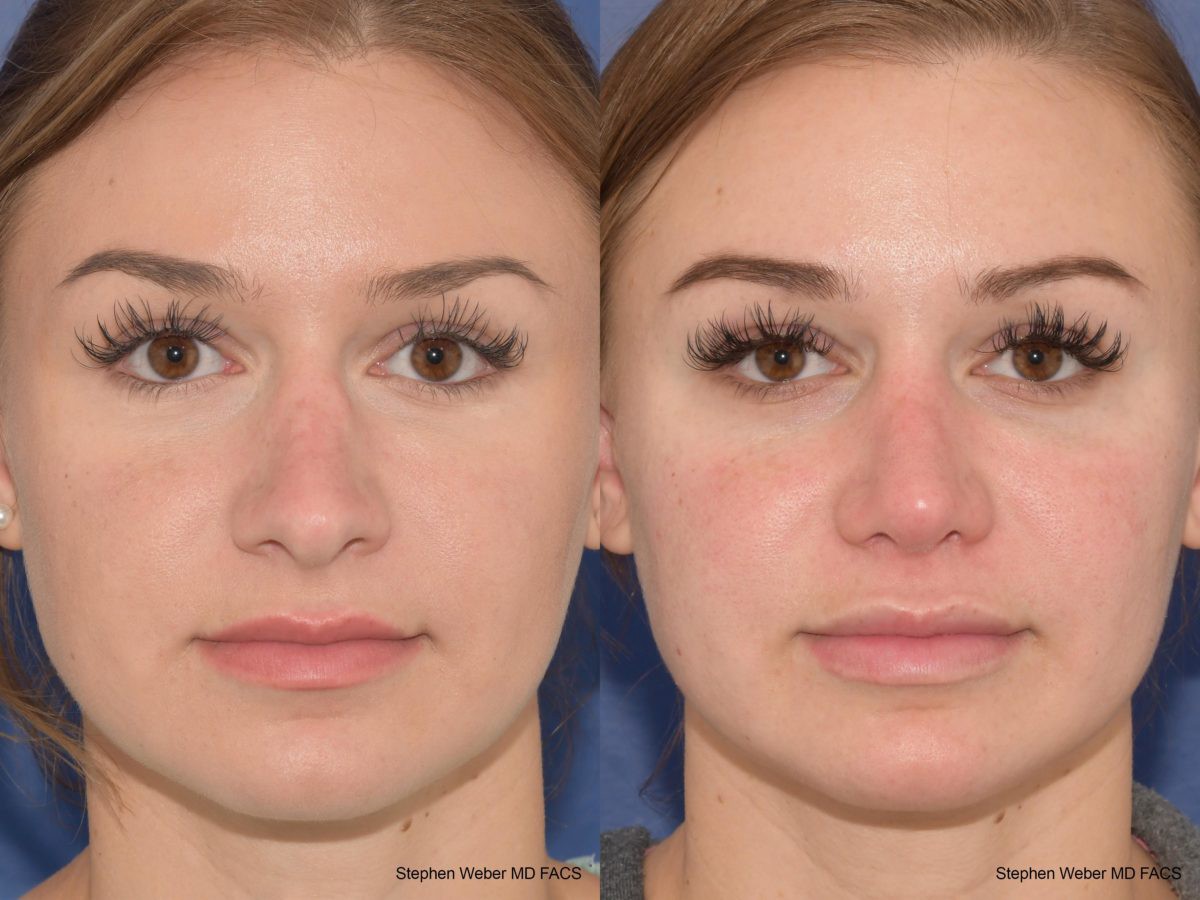
Rhinoplasty, otherwise known as a nose job, is an elective plastic surgery procedure in which plastic surgeons reshape and rebuild the nose to alter and improve its function. There are usually two kinds of plastic surgeries used in rhinoplasty: reconstructive and cosmetic surgery, which changes the look of the nose and restore the original form and shape of the nose. Rhinoplasty can also be referred to as nose picking.
The first step in the process of rhinoplasty is the examination of nasal bones, cartilage and skin to determine which areas need reshaping or straightening. The surgeon then uses non-surgical and surgical correction procedures to bring the nose closer to its intended shape. A nasal reduction or an elongation can be applied if the nose is too small, resulting in an upturned tip of the nose or excessive drooping of the nose bridge. On the other hand, a nasal enlargement procedure may be needed if the nose is too large, resulting in a pointed nose, shortened nose bridge or nasal sidewall projection. In the case of an asymmetrical nose, cosmetic surgery can be performed to make it symmetrical.
For a successful rhinoplasty procedure, you must have a good general health condition. A history of allergic reactions to anesthesia is important because many procedures involve general anesthesia. Therefore, before going under the knife, it is important that your general health is satisfactory. The surgeon will also perform blood tests and urine tests in order to determine the patient’s acid-base stability. These tests will help the surgeon in selecting the most appropriate anesthetic agent.
The second step in rhinoplasty surgery is the fixing of fractures and cartilages. The nose reshaping process cannot begin without these two vital elements. Your nasal bones and cartilage are fixed by the osteotomy and the fixation of the craniomaxillary joint by the transaxillary osteotomy. Fixations made on the nose originate from the upper and middle bones of the nose (paranasal sinuses) and from the base of the skull, through the osteoid sinus, the maxillary sinus and the ethmoid sinus. The nasal bones and cartilage are stabilized with the aid of these structures, and their position is corrected for better breathing.
If the nose reshaping requires that a temporary splint may be required to protect the incision areas, three weeks after the surgery, the splint may need to be changed. The splint may need to be replaced if the patient has developed any of the following: persistent nasal swelling, severe pain, difficulty breathing, reduced sense of smell and taste, nausea or vomiting, feeling unwell and unable to swallow, or if there has been an infection in the nasal region. Swelling caused by infection will normally clear up within three weeks, but if it does not then the treatment options include taking oral medication to resolve the infection, or waiting for the infection to resolve naturally without treatment.
Patients who have been through Nose Reflaping surgery have reported improvements in their overall health and quality of life immediately after the treatment. The improvements were often described as an improvement in the general shape of their face. There was a noticeable decrease in the size of the airway whilst breathing which was particularly beneficial for those patients whose breathing problems were either caused by snoring or enlarged tonsils. However, some patients did experience some degree of facial asymmetry which could take a little longer to resolve.
 Cosmetic Surgeries - Facts And Information